Researchers Mel Wylen and Mitch Herz describe four organizational conditions that can help schools and districts use accountability data to understand where improvement is needed, test changes, and learn what works over time.
Researchers Mel Wylen and Mitch Herz also look at how different approaches to accountability can provide educators with more useful information, connect results to improvement efforts, and keep the focus on improving student outcomes.
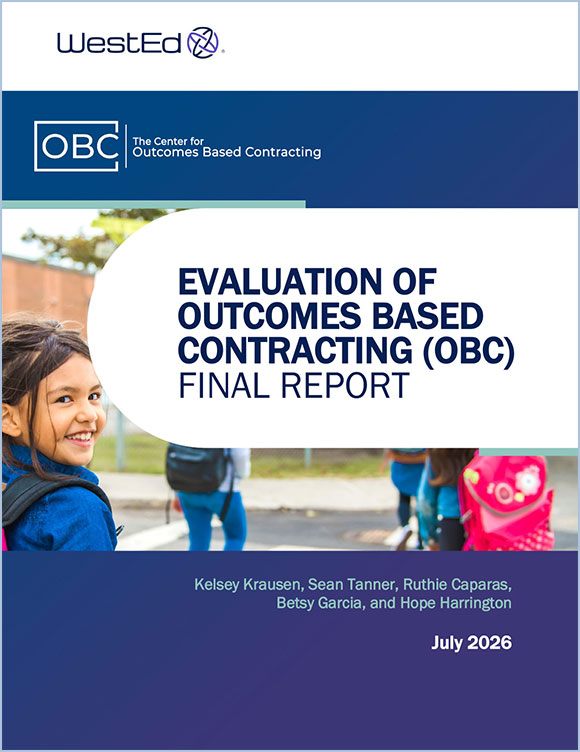
When schools invest in tutoring and education technology, how can they know if those investments are making a difference? A WestEd evaluation examines how eight districts tied some vendor payments to student outcomes and what they learned about accountability, data use, and implementation along the way.
Certain state policies can help stabilize school funding from year to year and help school districts maintain services during times of declining revenue. Find out what they are.
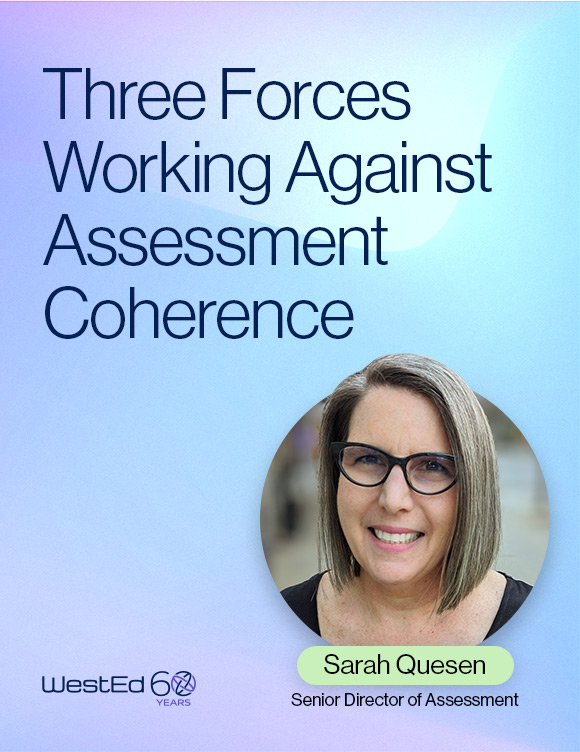
WestEd’s Senior Director of Assessment Sarah Quesen explores three forces working against coherent assessment systems, why they persist, and how education leaders can address them.
Math screeners may help identify K–3 students who need further evaluation for dyscalculia. Senior Director of Assessment Sarah Quesen shares how her team validated a risk flag within a screener and what a flag means for follow-up.
Indiana’s new federal waiver allows measures such as AP and dual-credit coursework to factor into how schools are evaluated. Mitch Herz examines what that shift could mean for other states.
Indiana is approved to consolidate several federal Title program funds into a single pool, with a pilot allowing some districts to do the same. Betsy Garcia and Kelsey Krausen outline what it signals for the future.
Follow WestEd on Facebook, Bluesky, LinkedIn, and YouTube to stay updated on our latest research, resources, services, events, and career opportunities.